
Construction Insurance
Coverage Built for the Jobsite
We’ve worked on the jobsite, not just insured it. That means coverage that fits your contracts, your crews, and the way your projects actually run.
Carriers
We Represent



The jobsite changes daily, and generic coverage doesn’t keep up. We build construction insurance programs around your work and your contracts, with risk strategies aimed at keeping your crews off the injury log and on the job. Coverages include:
- Property Insurance
- Tools & Equipment (Inland Marine)
- General Liability
- Commercial Auto
- Workers’ Compensation
- Umbrella Liability
- Contractors Errors & Omissions
- Pollution & Environmental Liability
- Management Liability (Directors & Officers, Employment Practices, and Fiduciary Liability)
- Cyber Insurance
Industry expertise
Trades
we serve.
From design through construction and the years of service that follow, we cover the trades at every stage of a project.
The Contractors Who Last Aren’t the Lucky Ones
Every contractor in your market faces the same weather, the same labor shortages, the same material swings, and the same bad breaks. What separates the ones still standing in twenty years isn’t better luck or a crystal ball. It’s what they built before they needed it. Insurance is one piece of that, but it’s the piece most contractors only think about once a year, thirty days before renewal.
- The contractors who recover fastest from a bad claim, a lost key employee, or a project gone sideways are the ones who prepared when nothing was wrong.
- Two contractors can have the same loss in the same year. One absorbs it and moves on. The other spends three renewal cycles paying for it.
- A strong safety record and a clean mod don’t just lower your premium. They get you on bid lists, through prequalification, and onto jobs your competition can’t touch.
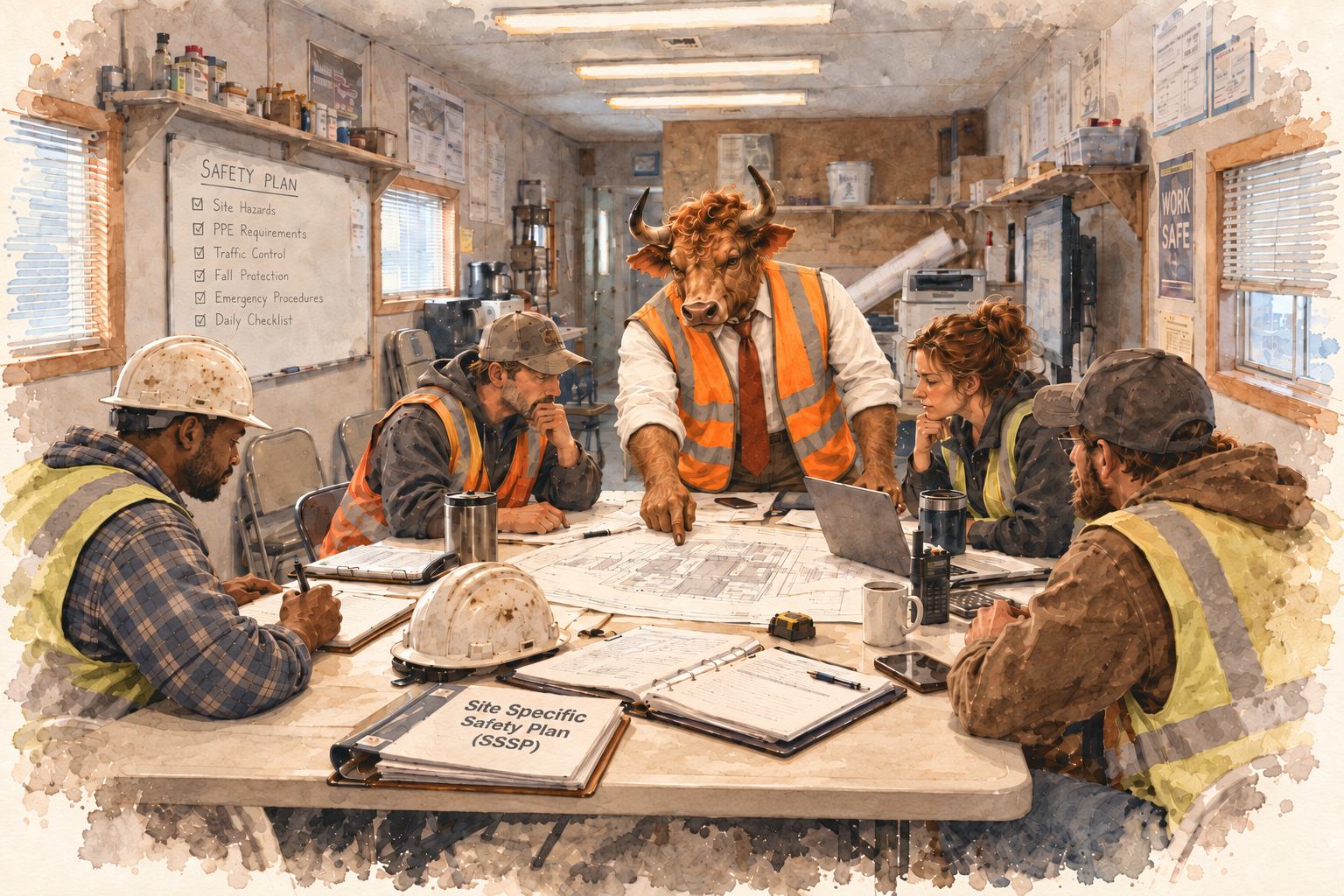
We work on the business beneath the policy, not just the paperwork on top of it.
Our methodology

Field-tested safety and risk management tools mapped directly to OSHA’s Recommended Practices for Safety and Health Programs.
Our 7-Step Risk Management Process
Management Leadership
Top management makes safety a stated core value, invests in program development, aligns incentives, and leads by example.
Worker Participation
Employees are actively involved in designing, implementing, and monitoring the safety program. Barriers to transparency and accurate reporting are removed.
Hazard ID & Assessment
Proactively identify, analyze, and document hazards using tools like job hazard analysis. Changes to personnel, equipment, materials, processes or facilities are actively monitored and addressed.
Prevention & Control
Decide and implement the best method for eliminating, controlling, or preventing identified hazards. Use root cause and corrective action to eliminate or reduce hazards at the source.
Education & Training
Role-specific training, so every worker can identify the hazards of their specific job and consistently execute controls, instead of just acknowledging written procedures.
Evaluation & Improvement
Regularly audit and evaluate system effectiveness to identify gaps and drive improvement. Measure what matters, so you can spot and act on trends before they become incidents.
Communicate & Coordinate
Communicate safety expectations and site-specific hazards with all parties prior to commencing work — everyone on site under the same program.
The Quarry.
Join our group for free access to safety professionals
Live webinars, in-person roundtables, and social events with former OSHA staff and safety leaders from $100M+ construction and manufacturing companies.
From the Field
Industry Insights
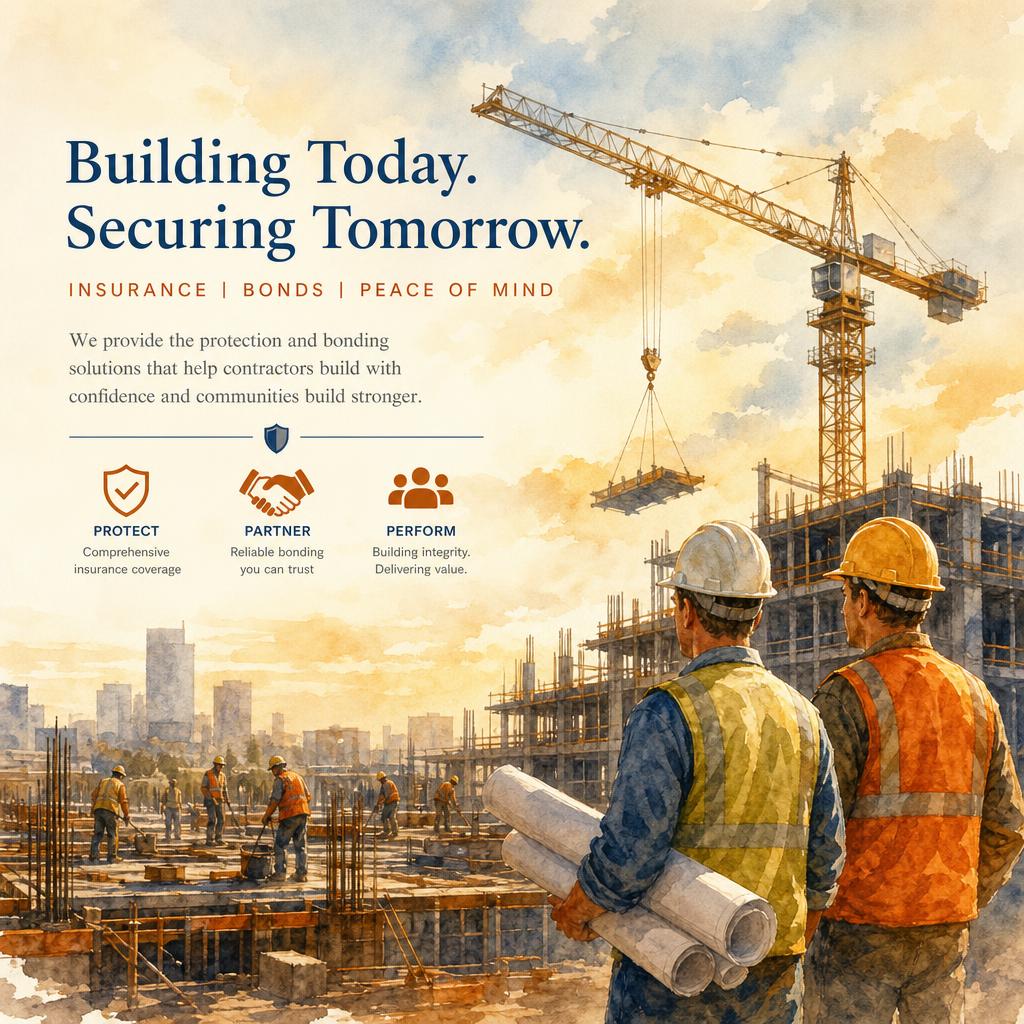
Understanding Surety Bonds in Construction Projects
Surety bonds are often misunderstood — and that confusion can cost contractors real money. Here's what every construction firm needs to know before bidding on public or large private contracts.
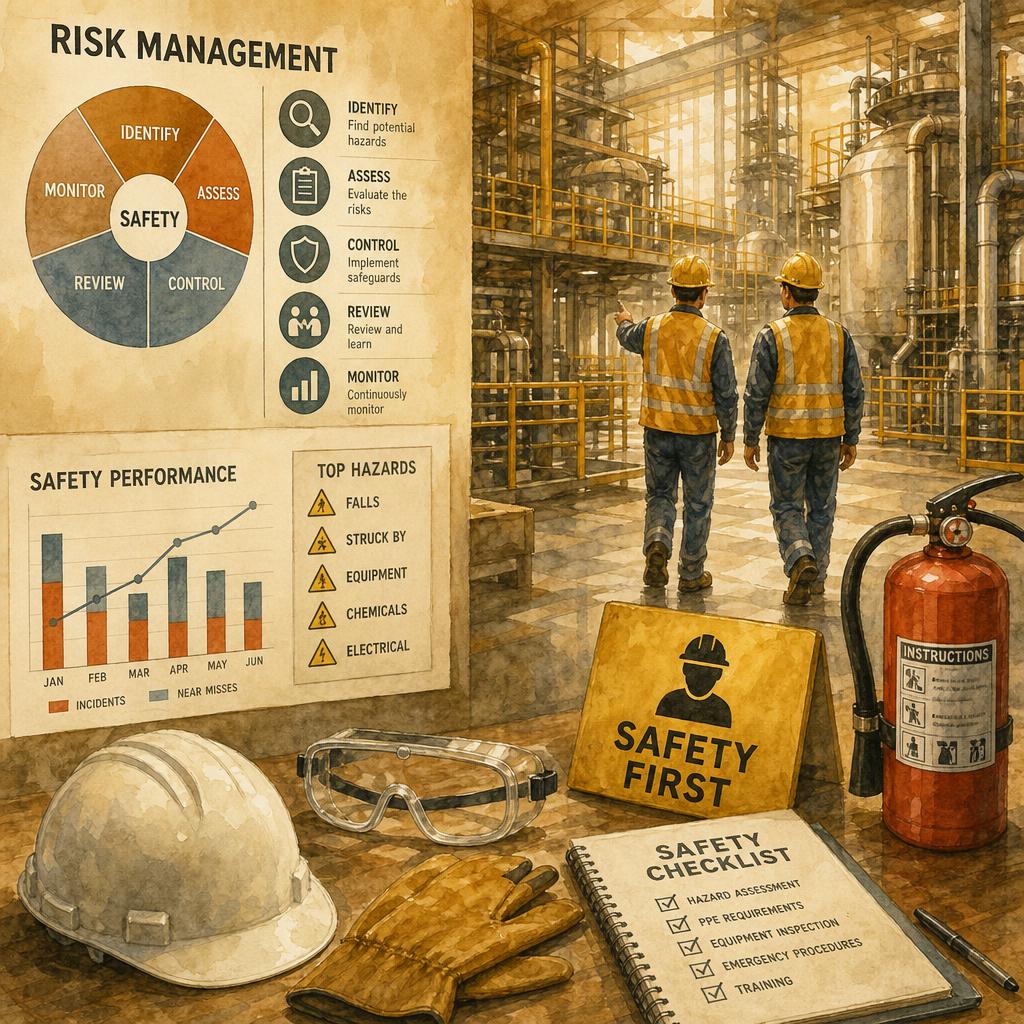
5 Risk Management Strategies Every Manufacturer Should Know
Manufacturing operations face a layered set of risks — equipment breakdown, supply chain disruption, product liability, and more. A proactive risk management program addresses all of them systematically.
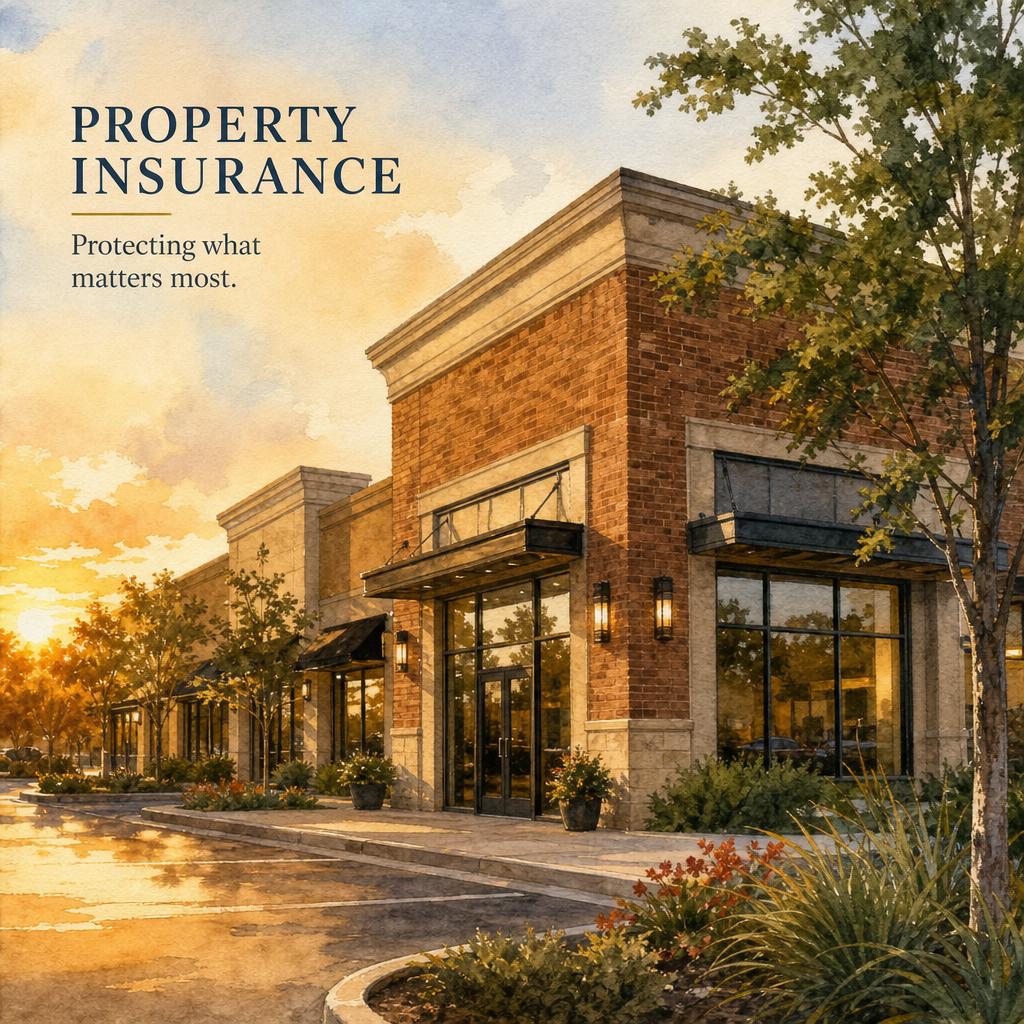
The Hidden Costs of Underinsured Commercial Property
Many business owners don't realize their property is underinsured until they file a claim. By then, the financial gap can be devastating. Here's how underinsurance happens — and how to prevent it.